Optimizing Transformer Insulation Systems for Performance, Cost, and Supply Efficiency
In modern transformer manufacturing, insulation system design plays a critical role in determining not only long term performance and reliability, but also manufacturing efficiency and overall cost. By carefully selecting materials and optimizing key insulation components, transformer manufacturers can improve winding precision, enhance dielectric performance, and streamline production processes.
In this article, Brad Greaves from the Weidmann Technical Laboratory Services team explores several insulation design concepts to help manufacturers optimize transformer design and strengthen supply chain reliability.
Key Concepts for an Optimized Insulation System
Several insulation design strategies can significantly improve the performance and manufacturability of liquid-immersed core-form power transformers. Among the most effective approaches are the use of:
- Milled spacers
- Calendered crepe conductor insulation
- Low-density pressboard barriers
Each of these elements contributes to improved dimensional control, dielectric performance, and production consistency.
Improving Winding Precision with Milled Spacers
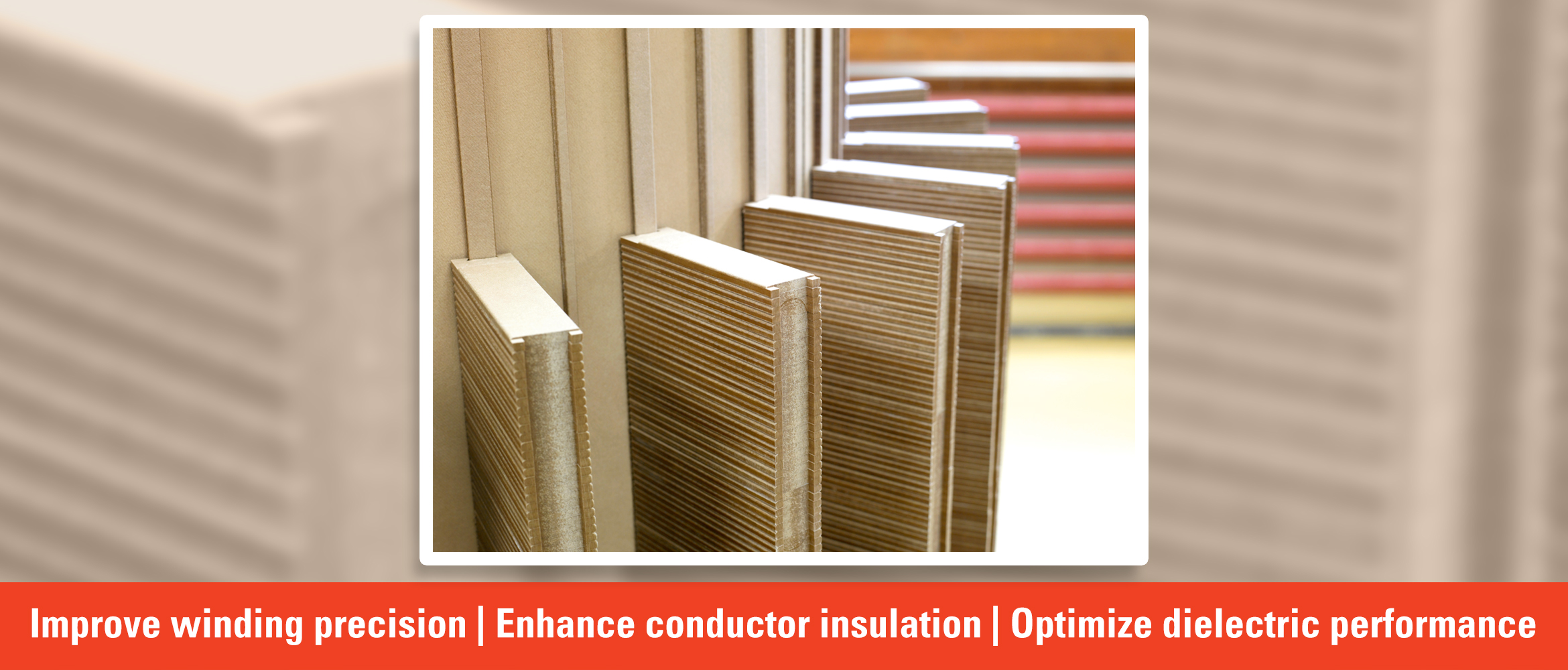
One effective method for improving winding accuracy and consistency is using milled spacers instead of traditional unmilled pressboard components.
Milling the surface of the spacer material provides tighter dimensional tolerances, which result in reduced thickness variations and more consistent winding heights. This improved precision helps transformer manufacturers achieve greater uniformity during the winding process.
Another advantage is more predictable shrinkage during the drying process. Because the milling process compensates for variations in material thickness and moisture content, manufacturers can more accurately anticipate dimensional changes during drying.
Additionally, milled spacers offer improved compressibility characteristics, delivering more consistent compression behavior across different spacer thicknesses. This helps maintain structural integrity and winding stability throughout the transformer’s lifecycle.
Enhancing Conductor Insulation with Calendered Crepe Paper
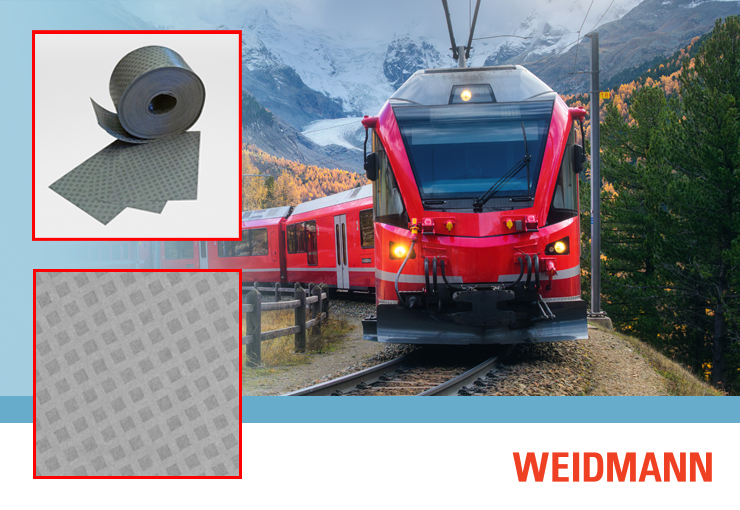
Calendered crepe paper is widely used as conductor insulation due to its combination of mechanical strength and dielectric performance.
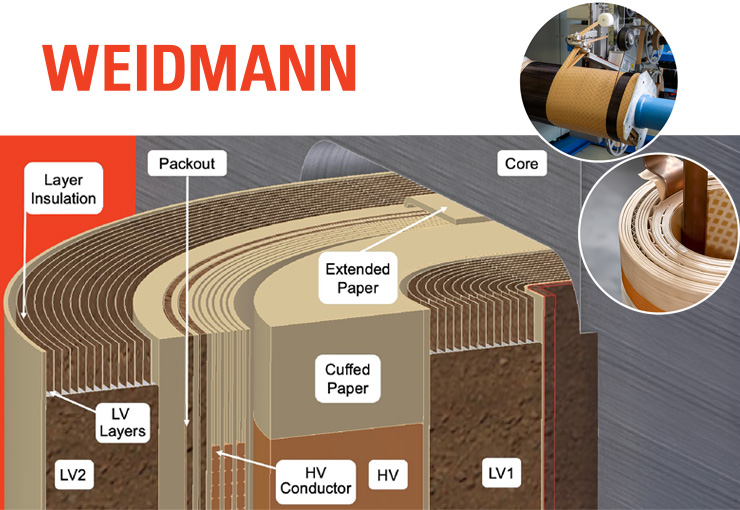
One of its key advantages is high dielectric strength, which is determined by both the insulation thickness and the number of applied layers. This ensures reliable insulation between turns while maintaining efficient space utilization within the winding.
The calendering process also significantly improves the paper’s tensile properties, allowing it to be wrapped more tightly around conductors during the winding process compared to flat papers. This tighter wrapping helps control turn-to-turn insulation thickness and improves the winding’s overall space factor.
In addition, calendering reduces the porosity of the paper, resulting in enhanced moisture resistance. Lower moisture absorption improves compatibility with insulating fluids and contributes to long-term transformer reliability.
Optimizing Dielectric Performance with Low-Density Pressboard Barriers
Pressboard barriers play an important role in controlling the electric field distribution within the transformer insulation system.
Low-density pressboard barriers, manufactured from cellulose materials and impregnated with mineral oil, offer several advantages compared to high-density alternatives.
In insulation systems, dielectric stress distribution is inversely proportional to the material’s relative permittivity. By selecting a lower-density pressboard, the permittivity of the solid insulation moves closer to that of the surrounding insulating liquid. This alignment helps reduce dielectric stress within the liquid and improves overall insulation performance.
For example, replacing traditional Hi-Lo barriers made from high-density pressboard with low-density alternatives such as Hi-Val pressboard shifts dielectric stress away from the liquid. As a result, the insulation system can achieve greater dielectric margin during Insulation Design Analysis, improving operational safety and reliability.
Supporting Optimized Insulation Design
At Weidmann, these concepts form part of a broader engineering approach used by the global Engineering Services team to support transformer manufacturers in optimizing insulation systems.
By combining material expertise with advanced design analysis, the team helps customers improve transformer performance while enhancing manufacturability and supply chain efficiency.